
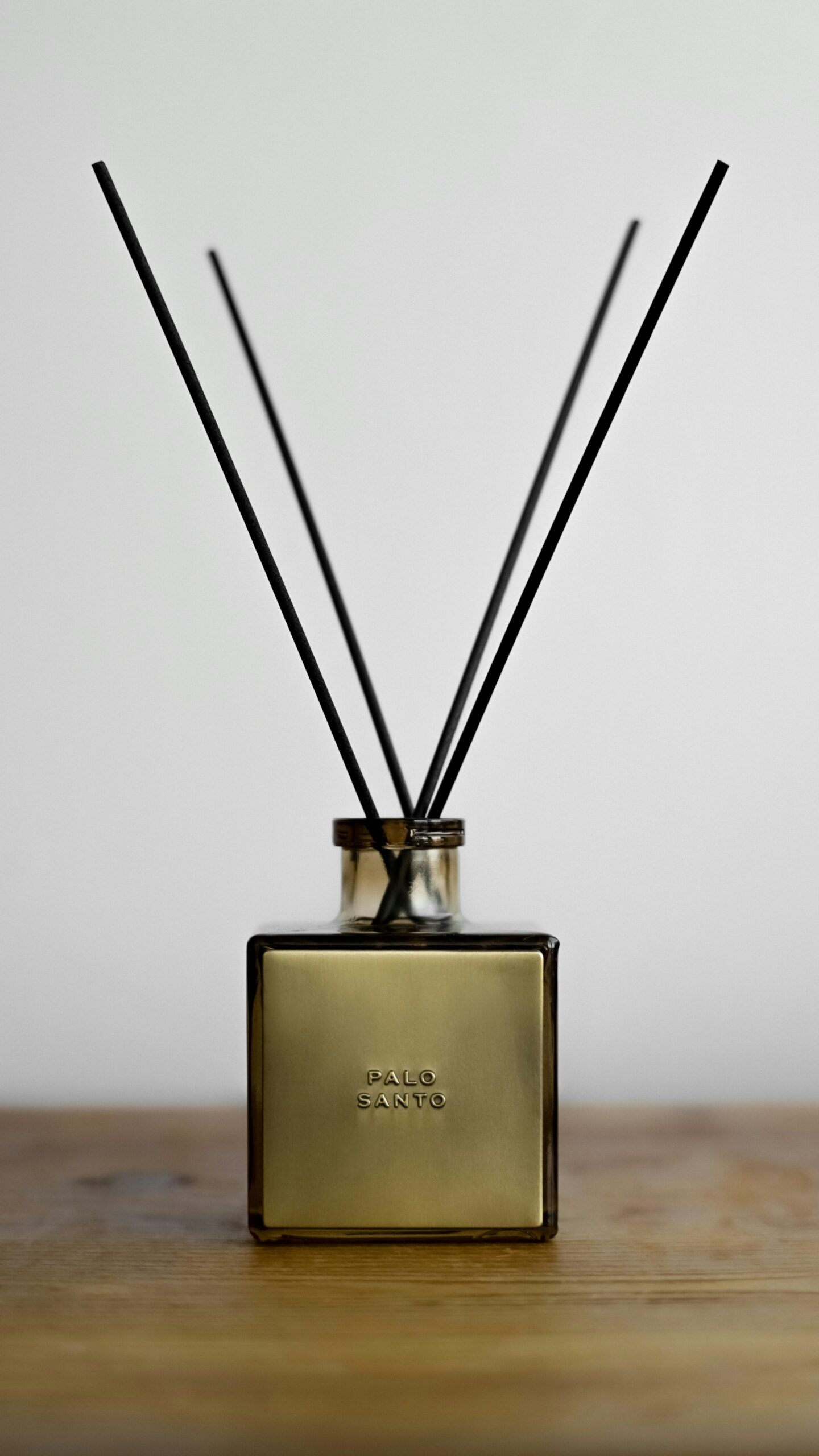
Arabian perfumes have long been revered for their deep, exotic, and luxurious fragrances. The Middle East, with its rich history, cultural significance, and timeless traditions, has given birth to some of the world’s most coveted and cherished scents. At the heart of Arabian perfumery lies Oud and Attars, two fragrances that have stood the test of time and remain symbols of luxury and elegance.
In this article, we’ll explore the fascinating history and heritage of Arabian perfumes, why they’re so deeply embedded in the region’s culture, and how they continue to capture the hearts of fragrance enthusiasts worldwide.
The Origins of Arabian Perfumes
The art of perfumery has deep roots in the Middle East, with some of the earliest known records of fragrance use dating back to ancient civilizations. Ancient Egyptians, for instance, used perfumes made from natural ingredients like frankincense and myrrh in religious rituals, as well as for personal use. The rich aromatic scents were also believed to have therapeutic and spiritual properties.
By the time the Arabian Peninsula became a major hub for trade and culture, the art of perfumery had evolved into an elaborate and refined craft. It was here that some of the most luxurious and exclusive perfumes, including Oud and Attars, were developed.
The Heart of Arabian Perfumes: Oud
Oud, also known as agarwood, is one of the most iconic and cherished fragrances in the world. For centuries, Oud has been a symbol of wealth, sophistication, and spirituality in Arabian culture. The fragrance comes from the resin produced by the Aquilaria tree, which is found in Southeast Asia, primarily in India, Bangladesh, and parts of Southeast Asia.
The process of making Oud is labor-intensive and requires great patience. When the tree becomes infected by a specific mold, it produces a dark, fragrant resin to protect itself. This resin is then carefully harvested and distilled to create the rich, smoky, woody scent that has become synonymous with luxury.
Oud has played a key role in both personal and ceremonial use. For instance, it’s commonly used in religious and spiritual ceremonies, where its rich aroma is believed to purify the surroundings and promote meditation and relaxation. This connection to spirituality and tradition has made Oud more than just a fragrance—it’s a symbol of cultural identity and timeless elegance.
The Allure of Arabian Attars
While Oud remains one of the most prized scents, Attars (also known as Ittars) are equally revered in the world of Arabian perfumes. Unlike conventional perfumes that are alcohol-based, Attars are alcohol-free and made using only natural, botanical ingredients. These fragrances are crafted by extracting the oils of flowers, fruits, herbs, and spices, creating an oil-based perfume that is pure, concentrated, and long-lasting.
Attars have been part of Arabian culture for centuries and have evolved into an art form in their own right. These perfumes are often created through traditional distillation methods, where the essential oils of natural plants are captured to preserve their scent for long periods. With no synthetic ingredients, Attars are gentle on the skin, making them a popular choice for those seeking natural and luxurious fragrances.
Common ingredients found in Attars include rose, jasmine, sandalwood, and musk, with each Attar offering its own unique scent profile. These fragrances are known for their depth, complexity, and ability to evolve over time, as the oils interact with the wearer’s skin chemistry, revealing new notes as the day goes on.
The Role of Perfume in Arabian Culture
Perfume plays a significant role in the daily lives of people in the Middle East, and fragrances are often seen as an extension of one’s personality and identity. In the Arab world, wearing perfume is a mark of sophistication, elegance, and hospitality. Whether for a formal gathering, a social occasion, or simply as part of one’s daily routine, perfume is an essential part of life.
In fact, many Middle Eastern cultures view the act of gifting perfume as a sign of respect and affection. Oud and Attars make for highly coveted gifts, often presented during weddings, special occasions, and celebrations. The act of offering a bottle of these precious perfumes is seen as both a personal and meaningful gesture.
Perfume is also intertwined with spiritual practices. Many people burn Oud resin as incense in their homes or mosques, believing that its fragrance purifies the air and creates a calming, sacred atmosphere. In this way, Oud has become not just a luxury product, but an integral part of the culture and lifestyle in the Middle East.
The Craftsmanship Behind Oud and Attars
Creating Oud and Attars is an intricate and laborious process that requires expert knowledge and skill. Whether it’s the careful extraction of Oud resin from Aquilaria trees or the distillation of delicate floral and herbal oils to create an Attar, the craftsmanship behind Arabian perfumes is a highly respected tradition.
In many cases, these fragrances are crafted by skilled artisans who have inherited the knowledge of their craft from previous generations. The process is slow and meticulous, ensuring that the final product is nothing short of perfection. The combination of natural ingredients, traditional techniques, and cultural heritage creates fragrances that are unique, luxurious, and timeless.
Why Arabian Perfumes Are Still in Demand Today
Despite the growth of Western perfumes and mass-produced fragrances, Oud and Attars continue to remain at the pinnacle of the perfume world. There is a growing appreciation for these natural, alcohol-free scents, as more people seek out unique, long-lasting fragrances that stand out from the typical synthetic options available on the market.
Arabian perfumes are highly valued for their authenticity, luxuriousness, and ability to evoke deep emotional connections. With their rich history and cultural significance, they offer more than just a fragrance—they provide an immersive experience, one that transports wearers to the exotic world of Arabia.
Conclusion: The Enduring Legacy of Arabian Perfumes
The world of Arabian perfumes is one of opulence, history, and tradition. From the smoky, woody fragrance of Oud to the delicate, floral oils of Attars, these perfumes are more than just scents—they are cultural treasures that have been crafted and cherished for thousands of years. Whether you are new to the world of Arabian perfumes or a lifelong enthusiast, discovering Oud and Attars allows you to experience a piece of history, luxury, and timeless elegance.